
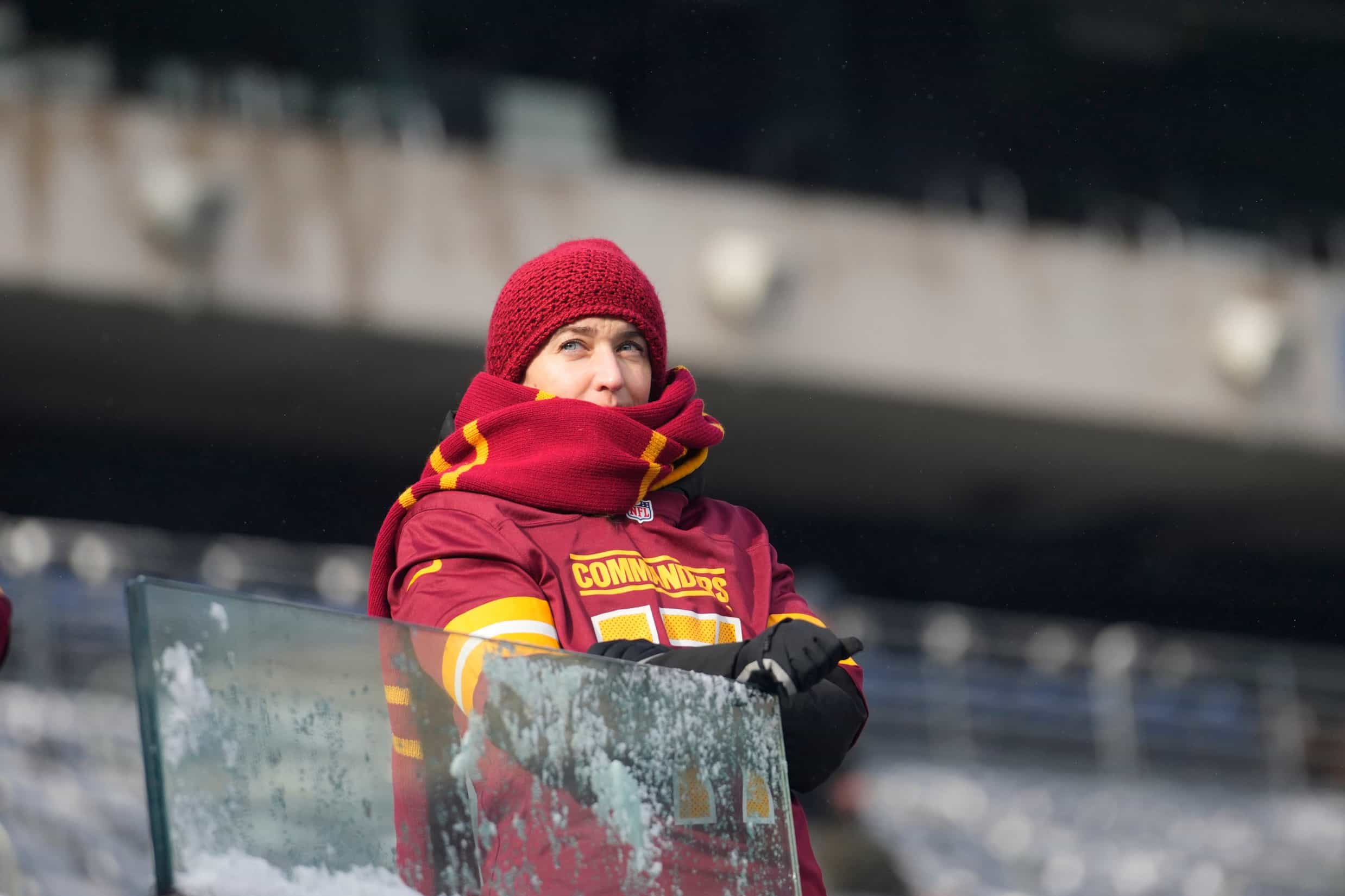
Game day excitement can quickly fade when fans are uncomfortable. From cramped seating to long lines and sky-high prices, some stadiums leave spectators wishing they’d stayed home.
To identify the worst stadium experiences, CanadaSportsBetting.ca analyzed over 100,000 Google reviews for 101 professional sports venues across North America. We measured six categories of discomfort: Seating Comfort, Climate, Crowd Density, Amenities, Value, and General Frustration by tracking terms like “crowded,” “cold,” “long lines,” and “overpriced.”
We grouped this language into six categories of discomfort: Seating Comfort, Climate, Crowd Density, Amenities, Value, and General Frustration.
Each stadium was scored and normalized to produce a final Uncomfortability Score. This produced a list of the absolute most uncomfortable stadiums in professional sports.
Key Findings
- The Commanders’ Northwest Stadium is the #1 most uncomfortable stadium in North America.
- Frost Bank Center ranks 2nd overall and is the most uncomfortable arena in the NBA.
- BMO Field ranks as the most uncomfortable stadium in MLS, driven by weather.
Open-air exposure and a waterfront location leave fans dealing with extreme cold, heat, and rain throughout the season. - Lenovo Center is the most uncomfortable arena in the NHL.
- NFL stadiums dominate the top of the rankings.
- Older stadiums consistently rank worse. Venues built before 2000 (like Soldier Field and Highmark Stadium) struggle with modern expectations around seating, flow, and amenities.
The Most Uncomfortable Stadiums
From cramped seats with little legroom to harsh weather and overpriced concessions, these stadiums are the most uncomfortable.
| Rank | Stadium | Uncomfortability Score (0-10) | Why It’s Uncomfortable |
|---|---|---|---|
| 1 | Northwest Stadium (Washington Commanders) | 7.61 | Reviews are dominated by complaints about “traffic,” “long lines,” and “crowded concourses,” pointing to severe congestion and frustration |
| 2 | Frost Bank Center (San Antonio Spurs) | 4.67 | Fans frequently describe “long walks,” “stairs,” and “tight seating,” making movement and comfort a challenge |
| 3 | BMO Field (Toronto FC) | 4.52 | Reviews consistently mention “cold,” “wind,” “rain,” and “no cover,” highlighting constant exposure to the elements |
| 4 (tie) | Footprint Center (Phoenix Suns) | 4.35 | Fans point to “crowded concourses” and say it’s “hard to navigate,” reflecting lingering layout issues |
| 4 (tie) | Lumen Field (Seattle Seahawks) | 4.31 | Reviews describe the environment as “loud” and “deafening,” with additional complaints about exposure to “rain” |
| 6 | Soldier Field (Chicago Bears) | 4.15 | Historic but outdated. Fans frequently mention “cold,” “wind,” and “cramped seats,” highlighting both weather exposure and outdated design |
| 7 | Ford Field (Detroit Lions) | 4.06 | Reviews reference “obstructed views,” “expensive,” and “crowded,” pointing to issues with value and sightlines |
| 8 | Lenovo Center (Carolina Hurricanes) | 3.98 | Fans describe “long lines,” “crowded concourses,” and difficulty getting around, signaling poor flow and access |
| 9 (tie) | Capital One Arena (Wizards / Capitals) | 3.82 | Reviews frequently cite “cramped seating,” “long lines,” and “crowded walkways,” reflecting accumulated frustrations |
| 9 (tie) | Highmark Stadium (Buffalo Bills) | 3.81 | Fans highlight “cold,” “bench seating,” and “weather exposure,” pointing to classic outdoor discomfort |
Rooting for Toronto FC? Fans in Ontario can stay in the action with Ontario sports betting
1. Northwest Stadium— Washington Commanders — Score: 7.61
Most Uncomfortable Stadium in NFL
What it’s #1:
Crowd congestion + extreme fan frustration
What contributes to it:
- Aging stadium (opened 1997) with outdated infrastructure
- Car-dependent location leading to severe traffic bottlenecks
- Large footprint and layout that slows entry, exit, and movement
- Open-air design exposes fans to weather
Northwest Stadium may have gotten a new name in 2024 but it’s still the same old, uncomfortable venue as before. Reviews are dominated by complaints about “traffic,” “long lines,” and “crowded concourses,” reinforcing how frustrating the overall experience can be. Persistent complaints and years of criticism have already pushed ownership toward plans for a new stadium, but until 2030 Commanders’ fans will have to endure the cruddiest stadium experience in sports.
2. Frost Bank Center (San Antonio Spurs) — Score: 4.67
Most Uncomfortable Arena in the NBA
What it’s #2:
Movement friction + seating discomfort
What contributes to it:
- Large, spread-out arena design increases walking distances
- Older layout (opened 2002) with less efficient concourses
- Heavy reliance on stairs and vertical movement
- Tight seating dimensions across sections
In #2 is the Spurs’ home Frost Bank Center. Frost Bank is a stadium where getting around is half the battle. Fans frequently mention “long walks” and “lots of stairs,” along with “tight” or “small” seating that limits comfort once they sit down. Reviews also point to crowding and navigation challenges, reinforcing the sense that both movement and seating fall short of expectations. Spurs’ fans aren’t putting up with harsh weather or facing harsh elements. However, they still find the venue takes away from the game day experience and is downright uncomfy.
3. BMO Field (Toronto FC) — Score: 4.52
Most Uncomfortable Stadium in MLS
What it’s #3:
Weather exposure
What contributes to it:
- Open-air design with limited roof coverage
- Waterfront location amplifies wind and cold
- Seasonal extremes (heat, rain, and freezing temps)
In 3rd place overall (and #1 for MLS) is Toronto FC’s BMO Field. Fans at BMO are at the mercy of the elements. Reviews consistently mention “cold,” “wind,” “rain,” and a lack of cover, highlighting how exposed spectators feel throughout the season. Whether it’s freezing winds off Lake Ontario or summer heat, fans rarely get a neutral experience. Their comfort depends entirely on the forecast. BMO recently got a pricey overhaul for the 2026 World Cup. However, it seems unlikely that hybrid grass or fancy new video boards will make fans forget they are freezing cold.
4. Footprint Center (Phoenix Suns) — Score: 4.35
What it’s #4:
All-around friction and discomfort
What contributes to it:
- Older arena (opened 1992) with legacy design constraints
- Tighter concourses and seating bowl than modern venues
- Downtown location creates pre- and post-game congestion
Footprint Center underwent renovations in 2020 to modernize the venue. However, fans still aren’t happy judging from the loud (and unhappy) online reviews. Footprint Center still struggles with flow and comfort. Fans often describe “crowded concourses” and say it is “hard to navigate,” pointing to lingering layout issues. From complaints, it seems like Suns’ fans would have preferred more comfortable seats and a functional layout over other changes prioritized.
4. Lumen Field (Seattle Seahawks) — Score: 4.31
What it’s #4:
Noise intensity + environmental exposure
What contributes to it:
- Stadium engineered to amplify crowd noise
- Partial roof traps sound but not weather
- Steep seating design intensifies crowd density
Tied for #4, is Lumen Field. Lumen Field is built to be loud and it delivers. But that same design creates a physically demanding environment, where constant noise wears on Seahawk fans over the course of a game. Fans frequently describe the environment as “loud” or even “deafening,” creating a physically demanding atmosphere over the course of a game. Other fan gripes include that only about 70% of seats are covered, leaving a good chunk of fans out in the Seattle rain.
6. Soldier Field (Chicago Bears) — Score: 4.15
What it’s #6:
Age + exposure
What contributes to it:
- One of the oldest stadiums in the NFL (opened 1924)
- Limited modernization due to landmark status
- Open-air lakefront location brings wind and cold
In #6 is the Bears’ Soldier Field. Soldier Field is the one of the oldest stadiums in the NFL, offering history, but not modern comforts to hordes of fans. While fans may love watching snowy Chicago games from the comfort of their couches, that doesn’t hold up so well from the uncovered stands. Other factors that make going to a Bears’ game less pleasant than it could be are the cramped seats and general frustration at the stadium situation. Fans regularly mention “cold” and “wind,” along with “cramped seats,” reflecting both the harsh lakefront conditions and the stadium’s aging design.
7. Ford Field (Detroit Lions) — Score: 4.06
What it’s #7:
Sightlines + seating value
What contributes to it:
- Indoor stadium shifts focus away from weather to other stadium factors
- Some obstructed or distant sightlines due to layout
- Fan dissatisfaction with pricing
In 7th place is covered Ford Field. This isn’t like other high ranking NFL stadiums where harsh weather brings down fan satisfaction. Instead, fans are uncomfortable due to a number of factors. Reviews frequently reference “obstructed views,” “expensive” concessions, and crowding, suggesting that comfort issues here are tied more to value and visibility than environment. For some fans, the experience does not match the price. Fan reviews also include the word “bad” a disproportionate amount. However, that might just include game performance.
8. Lenovo Center (Carolina Hurricanes) — Score: 3.98
Most Uncomfortable Arena in the NHL
What it’s #8:
Crowd flow + amenities access
What contributes to it:
- Car-dependent suburban location
- Older arena infrastructure (opened 1999)
- Congested concourses during peak times
- Limited efficiency at concessions and services
The 8th most uncomfortable stadium (and most uncomfortable NHL stadium) is the Lenovo Center. Fans frequently mention “long lines” and “crowded concourses,” highlighting how difficult it can be to navigate the arena or get food and drinks. Reviews suggest fans spend too much time in lines or navigating crowds, when they’d rather be enjoying the Hurricanes’ game.
9. Capital One Arena (Wizards / Capitals) — Score: 3.82
What it’s #9:
Accumulated frustration
What contributes to it:
- High-traffic downtown location increases congestion
- Older arena layout (opened 1997)
- Long lines and crowded common areas
Capital One Arena isn’t defined by one major flaw. It’s more the buildup of small inconveniences that lands the Wizards and Capitals’ home in 9th place. The extremely cramped seating with limited legroom, long bathroom lines, narrow walkways, and simply outdated stadium make for a less-than-ideal fan experience.
9. Highmark Stadium (Buffalo Bills) — Score: 3.81
What it’s #9:
- Climate exposure + bench seating
What contributes to it:
- Open-air stadium in one of the coldest NFL climates
- Bench-style seating instead of individual chairs in many sections
- Aging stadium (opened 1973)
Buffalo Bills’ fans experience old-school football discomfort. Fans consistently mention “cold,” “bench seating,” and exposure to the elements, reinforcing its reputation for old-school discomfort. Undoubtedly these elements influenced the building of the new $2.2 billion stadium that will make its debut for the 2026 season.
Most And Least Comfortable Stadium By League
| League | Least Stadium | Uncomfortability Score (0-10) | Most Comfortable | Uncomfortability Score (0-10) |
|---|---|---|---|---|
| NFL | Northwest Stadium (Washington Commanders) | 7.61 | Lucas Oil Stadium (Indianapolis Colts) | 0.71 |
| NBA | Frost Bank Center (San Antonio Spurs) | 4.67 | Crypto.com Arena (L.A. Lakers/Clippers) | 1.49 |
| MLB | Oriole Park at Camden Yards (Baltimore Orioles) | 3.74 | Wrigley Field (Chicago Cubs) | 1.11 |
| NHL | Lenovo Center (Carolina Hurricanes) | 3.98 | SAP Center (San Jose Sharks) | 1.40 |
| MLS | BMO Field (Toronto FC) | 4.52 | Saputo Stadium (CF Montréal) | 1.48 |
- NFL has the widest comfort gap (7.6 to 0.7), showing huge variation in stadium experience
- NBA arenas cluster tighter, but Frost Bank Center stands out as a clear outlier
- MLB stadiums are generally more comfortable overall, with fewer extreme scores
- MLS is heavily influenced by weather, with both extremes tied to outdoor environments
Stadium Comfort Matters
Game day excitement can quickly vanish when fans are uncomfortable. From cramped seating and long lines to harsh weather and outdated amenities, a stadium’s design and operations shape the fan experience just as much as the action on the field or court. Fans pay higher costs than ever, and with that comes the expectation of a comfortable and enjoyable experience. Judging from fan reviews, some stadiums do a better job of that than others.
For fans who also like to bet on games, whether from the stands or their couches, using convenient betting apps can add another layer of excitement.
Methodology
Data Source:
We analyzed 100,000+ Google reviews from 101 professional sports venues across the NFL, NBA, MLB, NHL, and MLS (2020–2025 seasons).
Approach:
We examined the language used in fan reviews, tracking specific keywords and phrases associated with negative stadium experiences.
Each keyword was mapped to one of six categories:
- Seating Comfort: terms like “cramped seats,” “no legroom,” “hard seats,” “bench seating”
- Crowd & Density: “crowded,” “long lines,” “packed aisles,” “traffic,” “bottleneck”
- Climate & Environment: “cold,” “hot,” “rain,” “no shade,” “loud,” “deafening”
- Amenities & Services: “dirty bathrooms,” “overpriced concessions,” “poor Wi-Fi,” “long concession lines”
- Price & Value: “expensive,” “not worth it,” “rip-off,” “costly experience”
- General Frustration: “terrible,” “worst,” “hard to navigate,” “obstructed view,” “long walk”
Scoring:
Each stadium received a score in every category based on keyword frequency. Final Uncomfortability Scores (0–10) reflect the average across all six categories.
You can see the full dataset here.
Sources:
Google Reviews (2020–2025 seasons)
All Stadiums Ranked From Most Uncomfortable To Least
| Rank | Stadium | Uncomfortability Score (0-10) | Explanation |
|---|---|---|---|
| 1 | Northwest Stadium | 7.61 | Severe traffic, outdated infrastructure, crowd congestion, and weather exposure. |
| 2 | Frost Bank Center | 4.67 | Long walks, stair reliance, tight seating, aging design. |
| 3 | BMO Field | 4.52 | Open-air exposure, wind/cold/heat extremes. |
| 4 | Footprint Center | 4.35 | Legacy design, concourse bottlenecks, older layout. |
| 5 | Lumen Field | 4.31 | Noise intensity, partial coverage, steep seating. |
| 6 | Soldier Field | 4.15 | Historic, limited modernization, lakefront weather exposure. |
| 7 | Ford Field | 4.06 | Indoor climate helps but poor sightlines, pricing, and crowd flow remain. |
| 8 | Lenovo Center | 3.98 | Congested concourses, inefficient amenities, suburban access. |
| 9 | Capital One Arena | 3.82 | Cramped seating, long lines, outdated layout. |
| 10 | Highmark Stadium | 3.81 | Bench seating, cold weather exposure, aging structure. |
| 11 | Levi’s Stadium | 3.80 | Open-air exposure, crowd flow challenges. |
| 12 | Oriole Park at Camden Yards | 3.74 | Narrow seats, some obstructed views. |
| 13 | State Farm Arena | 3.72 | Aging design, tight concourses. |
| 14 | LoanDepot Park | 3.60 | Hybrid indoor-outdoor quirks, crowding. |
| 15 | T-Mobile Arena | 3.59 | Traffic access, some sightline issues. |
| 16 | PPG Paints Arena | 3.49 | Crowding and amenities friction. |
| 17 | Hard Rock Stadium | 3.48 | Weather extremes, long walks. |
| 18 | U.S. Bank Stadium | 3.45 | Large crowds; combined exposure and flow challenges. |
| 19 | Citi Field | 3.43 | Sightline and concourse crowding. |
| 20 | Golden 1 Center | 3.39 | Downtown access and concourse friction. |
| 21 | Globe Life Field | 3.31 | Weather exposure and open design. |
| 22 | American Family Field | 3.28 | Retractable roof helps, but seating tightness persists. |
| 23 | Arrowhead Stadium | 3.24 | Noise and weather exposure. |
| 24 | Honda Center | 3.18 | Older layout, narrow walkways. |
| 25 | EverBank Field | 3.15 | Heat exposure, crowding. |
| 26 | TD Garden | 3.09 | Vertical navigation and crowding. |
| 27 | Tropicana Field | 3.03 | Dome protects weather, but sightline issues persist. |
| 28 | Prudential Center | 3.00 | Moderate crowding, older concourses. |
| 29 | Desert Diamond Arena | 2.97 | Suburban access + amenities friction. |
| 30 | Nationwide Arena | 2.96 | Crowding and concourse issues. |
| 31 | Coors Field | 2.95 | Weather exposure and heat. |
| 32 | Grand Casino Arena (formerly Xcel Energy Center)** | 2.95 | Older layout and access friction. (Axios) |
| 33 | Paul Brown Stadium | 2.88 | Noise and open-air exposure. |
| 34 | Bankers Life Fieldhouse | 2.86 | Older arena, narrow concourses. |
| 35 | MetLife Stadium | 2.80 | Massive size + parking/logistics challenges. |
| 36 | Los Angeles Memorial Coliseum | 2.80 | Historic; large and open-air design. |
| 37 | PNC Park | 2.79 | Riverside exposure and some seating issues. |
| 38 | Chase Field | 2.78 | Dome mitigates heat; crowding persists. |
| 39 | State Farm Stadium (formerly University of Phoenix Stadium) | 2.77 | Large open layout with some heat exposure. |
| 40 | Raymond James Stadium | 2.74 | Weather and crowding. |
| 41 | Moda Center | 2.72 | Narrow seating, older design. |
| 42 | Mercedes-Benz Superdome | 2.72 | Indoor comfort but dense seating. |
| 43 | Barclays Center | 2.66 | Tight city arena layout. |
| 44 | Fiserv Forum | 2.66 | Modern but urban access friction. |
| 45 | Oakland-Alameda County Coliseum | 2.64 | Old, exposed design with crowd complaints. |
| 46 | Smoothie King Center | 2.63 | Indoor, minor issues around seating flow. |
| 47 | Paycom Center | 2.62 | Older layout + crowding issues. |
| 48 | Amalie Arena | 2.62 | Indoor, minor crowding/sightline issues. |
| 49 | Nationals Park | 2.60 | Modern, minor sightline complaints. |
| 50 | Guaranteed Rate Field | 2.59 | Open-air with modest seating complaints. |
| 51 | Delta Center | 2.59 | Indoor but minor access/sightline issues. |
| 52 | Bank of America Stadium | 2.57 | Weather + crowding complaints. |
| 53 | Ball Arena | 2.55 | Downtown location, vertical walking. |
| 54 | Bridgestone Arena | 2.55 | Older arena with access bottlenecks. |
| 55 | Little Caesars Arena | 2.52 | Modern but event-peak congestion. |
| 56 | United Center | 2.43 | Old, large arena with sightline issues. |
| 57 | Acrisure Stadium | 2.42 | Open-air weather + seating. |
| 58 | Scotiabank Arena | 2.40 | Indoor, tight seating. |
| 59 | Bell Centre | 2.39 | Older layout, moderate issues. |
| 60 | M&T Bank Stadium | 2.39 | Exposure and seating concerns. |
| 61 | American Airlines Center | 2.37 | Modern indoor arena, minor issues. |
| 62 | Kaseya Center (formerly American Airlines Arena) | 2.37 | Indoor with minor comfort issues. |
| 63 | Yankee Stadium | 2.37 | Open-air, big crowds, minor comfort issues. |
| 64 | KeyBank Center | 2.37 | Older arena, minor complaints. |
| 65 | Dignity Health Sports Park (formerly StubHub Center) | 2.35 | Open-air exposure, minor. |
| 66 | Minute Maid Park | 2.34 | Hybrid, modest crowding. |
| 67 | Amerant Bank Arena (formerly BB&T Center) | 2.31 | Older, minor access issues. |
| 68 | Enterprise Center (formerly Scottrade Center) | 2.28 | Older arena, seating friction. |
| 69 | Comerica Park | 2.25 | Open-air, modest seating concerns. |
| 70 | Rocket Mortgage FieldHouse (formerly Quicken Loans Arena) | 2.24 | Older indoor layout. |
| 71 | BC Place | 2.22 | Retractable roof helps comfort. |
| 72 | Nissan Stadium | 2.20 | Open-air, minimal crowding. |
| 73 | FedExForum | 2.15 | Indoor, minor issues. |
| 74 | Dodger Stadium | 2.14 | Outdoor, some sun exposure. |
| 75 | T-Mobile Park (formerly Safeco Field) | 2.13 | Retractable roof, good comfort. |
| 76 | Gillette Stadium | 2.12 | Weather exposure, some seating. |
| 77 | Toyota Center | 2.11 | Indoor, minor sightline issues. |
| 78 | Rogers Centre | 2.09 | Retractable roof, decent comfort. |
| 79 | Mercedes-Benz Stadium | 2.05 | Modern indoor, strong comfort. |
| 80 | Oracle Park (formerly AT&T Park) | 2.04 | Outdoor but scenic and fan-friendly. |
| 81 | Target Center | 2.00 | Indoor, minor issues. |
| 82 | Empower Field at Mile High (formerly Sports Authority Field) | 1.92 | Open-air, altitude and wind exposure. |
| 83 | Target Field | 1.89 | Open-air, moderate weather. |
| 84 | Progressive Field | 1.73 | Comfortable modern design. |
| 85 | Amway Center | 1.72 | Modern indoor, good comfort. |
| 86 | Spectrum Center | 1.72 | Comfortable seating and layout. |
| 87 | NRG Stadium | 1.72 | Indoor climate control enhances comfort. |
| 88 | AT&T Stadium | 1.60 | Indoor, large and well-appointed. |
| 89 | Truist Park (formerly SunTrust Park) | 1.55 | Modern, fan-friendly design. |
| 90 | Crypto.com Arena (formerly Staples Center) | 1.49 | Indoor, modern amenities. |
| 91 | Madison Square Garden | 1.48 | Indoor, iconic, comfortable. |
| 92 | Saputo Stadium | 1.48 | Open-air, generally comfortable. |
| 93 | Fenway Park | 1.45 | Historic but largely fan-friendly. |
| 94 | Great American Ball Park | 1.45 | Modern, comfortable design. |
| 95 | Petco Park | 1.43 | Excellent sightlines and comfort. |
| 96 | SAP Center at San Jose | 1.40 | Indoor, comfortable. |
| 97 | Cleveland Browns Stadium | 1.29 | Open-air with minimal issues. |
| 98 | Angel Stadium of Anaheim | 1.27 | Open-air, seating adequate. |
| 99 | Wrigley Field | 1.11 | Iconic, generally comfortable. |
| 100 | Lambeau Field | 0.72 | Modernized, partial coverage, solid comfort. |
| 101 | Lucas Oil Stadium | 0.71 | Fully indoor, modern comfort. |