
History will be made this summer when the World Cup spans across three different countries and 16 World Cup 2026 host cities for the first time in the tournament’s history
The spectacle will begin in Mexico in early June, with games up north in Canada, before wrapping up in the United States of America in July.
There was a lengthy process to decide which cities will host the 2026 World Cup after 41 hopefuls across North America bid to become one of the 16 cities chosen.
From vintage stadiums in Mexico, to state-of-the-art venues in the United States, there will be a wide variety of host stadiums featured at the 2026 World Cup.
Here’s a closer look at the FIFA World Cup 2026 host cities:
United States (11 host cities)
Arlington, Texas – Dallas Stadium
Among the biggest stadiums at the 2026 World Cup, the Dallas Stadium will host the most games during the tournament, with nine matches set to take place in the state-of-the-art facility. The stadium, which is equipped with air conditioning to combat the intense Texas summer heat, was initially considered to host the World Cup final.
World Cup games: 9
Capacity: 94,000
Opened: 2009
East Rutherford, New Jersey – New York New Jersey Stadium
Instead, the New York New Jersey Stadium, which is five miles from Manhattan, New York, was picked to host the 2026 World Cup final on July 19. Also known as MetLife Stadium, the cavernous stadium isn’t foreign to soccer fans, as it hosted the 2016 Copa America Centenario final when Chile toppled Argentina.
World Cup games: 8
Capacity: 82,500
Opened: 2010
Atlanta, Georgia – Atlanta Stadium
Perhaps one of the most impressive venues at the 2026 World Cup, the Atlanta Stadium, inspired by the Pantheon in Rome, was built with supporters in mind and features a one-of-a-kind retractable roof. Most recently, the stadium hosted five Club World Cup matches in 2025.
World Cup games: 8
Capacity: 75,000
Opened: 2017
Kansas City, Missouri – Kansas City Stadium
There will be a vintage feel to the Kansas City Stadium compared to other, more modern 2026 World Cup host cities. The retro stadium has the potential to be the most electric venue at the World Cup after being designated as the loudest outdoor sports venue in the world by the Guiness Book of World Records.
World Cup games: 6
Capacity: 73,000
Opened: 1972
Houston, Texas – Houston Stadium
Although it’s primarily home to the NFL’s Houston Texans, there’s been plenty of soccer played at the Houston Stadium over the years. Along with hosting the MLS all-star game, the stadium has also played host to the United States and Mexico national teams in recent years. It will be fitted with a temporary natural playing surface for the World Cup.
World Cup games: 7
Capacity: 72,000
Opened: 2002
Santa Clara, California – San Francisco Bay Area Stadium
The San Francisco Bay Area Stadium, aka Levi’s Stadium, has been the site of several major sporting events, including two Super Bowls (2016 and 2026). It’s one of the newer venues at the 2026 World Cup, but fans will be exposed to the elements as the stadium doesn’t have much cover over the stands.
World Cup games: 6
Capacity: 71,000
Opened: 2014
Inglewood, California – Los Angeles Stadium
The newest facility at the 2026 World Cup, the modern Los Angeles Stadium is among the most impressive—and most expensive—sporting venues in the world. Interestingly, the stadium’s field is located 30 metres below ground level to account for height restrictions during construction.
World Cup games: 8
Capacity: 70,000
Opened: 2020
Philadelphia, Pennsylvania – Philadelphia Stadium
Home to the Philadelphia Eagles, the Philadelphia Stadium is considered one of the most environmentally friendly sites in the NFL with more than 10,000 solar panels. ‘The City of Brotherly Love’ hosted eight games during the 2025 Club World Cup.
World Cup games: 6
Capacity: 70,000
Opened: 2003
Seattle, Washington – Seattle Stadium
Fans attending matches at the Seattle Stadium shouldn’t have to worry about overheating, as the venue is located in the city with the lowest average temperatures (22C) of the 11 American host cities. The stadium has a unique horseshoe design that features a view of downtown Seattle.
World Cup games: 6
Capacity: 69,000
Opened: 2004
Foxborough, Massachusetts – Boston Stadium
Built on the site of the demolished stadium that hosted games during the 1994 World Cup, the Boston Stadium, located 20 miles south of the city, is home to the six-time Super Bowl champion New England Patriots. The stadium also features the largest outdoors high-definition stadium video board in the U.S.
World Cup games: 7
Capacity: 65,000
Opened: 2002
Miami Gardens, Florida – Miami Stadium
The facility may have been built nearly 40 years ago, but a recent renovation has revived the Miami Stadium. However, Miami is among the host cities where weather is a major concern, with the risk of heat and humidity making things uncomfortable for supporters in the stands.
World Cup games: 7
Capacity: 65,000
Opened: 1987
Canada (2 host cities)
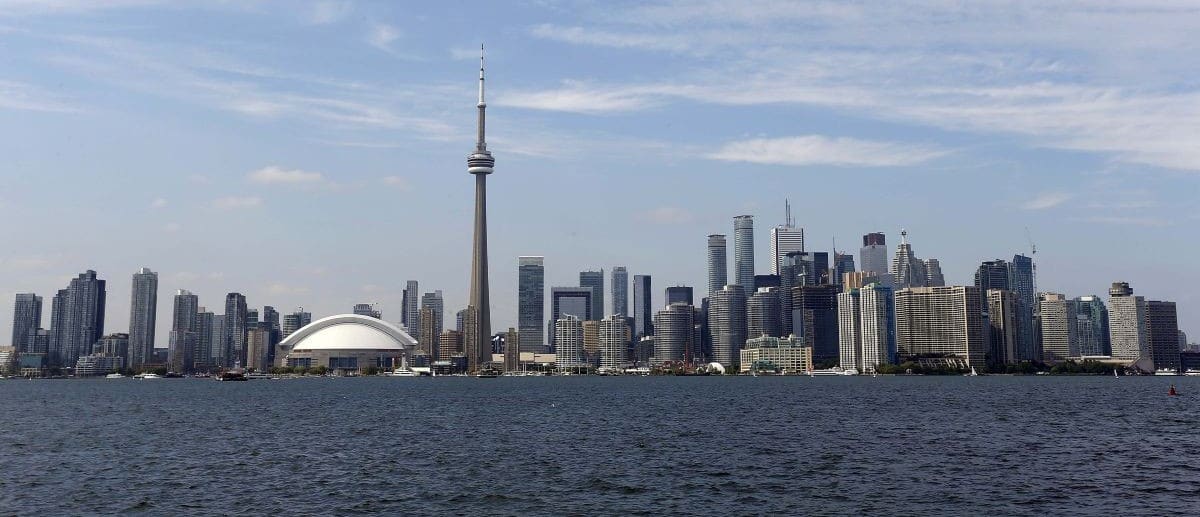
Toronto, Ontario – Toronto Stadium
The Toronto Stadium, also known as BMO Field, holds a special place in the hearts of Canadian soccer fans, as it was the site where Canada ended its 36-year wait to qualify for the World Cup. The stadium will host Canada’s first World Cup game on June 12.
World Cup games: 6
Capacity: 45,000
Opened: 2007
Vancouver, British Columbia – BC Place Vancouver
The most northerly venue at the 2026 World Cup, the Vancouver Stadium is no stranger to hosting big events after being the site for the opening and closing ceremonies of the 2010 Winter Olympics. It’s among the oldest stadiums that will be used at the 2026 World Cup and will host two Canada games.
World Cup games: 7
Capacity: 54,000
Opened: 1983
Mexico (3 host cities)
Mexico City – Estadio Azteca Mexico City
No other stadium in the world has hosted more World Cup games (19) than the Estadio Azteca Mexico City. After playing host at the 1970 and 1986 World Cups, the historic stadium will become the first to host games at three different World Cups when Mexico plays South Africa in the first game of the tournament on June 11.
World Cup games: 5
Capacity: 83,000
Opened: 1966
Guadalupe – Estadio Monterrey
The view won’t get much better than at the Estadio Monterrey, where an 1800-metre-tall mountain, Cerro de la Silla, can be seen from inside the stadium. The venue will host the joint-fewest World Cup games with Estadio Guadalajara.
World Cup games: 4
Capacity: 53,000
Opened: 2015
Zapopan – Estadio Guadalajara
Playing at the Estadio Guadalajara, situated on a hill meant to resemble a volcano, could be a challenge for players at the World Cup, as the stadium is located 1600 metres above altitude. Weather might also be a concern as the World Cup coincides with the city’s wet season.
World Cup games: 4
Capacity: 48,000
Opened: 2010