
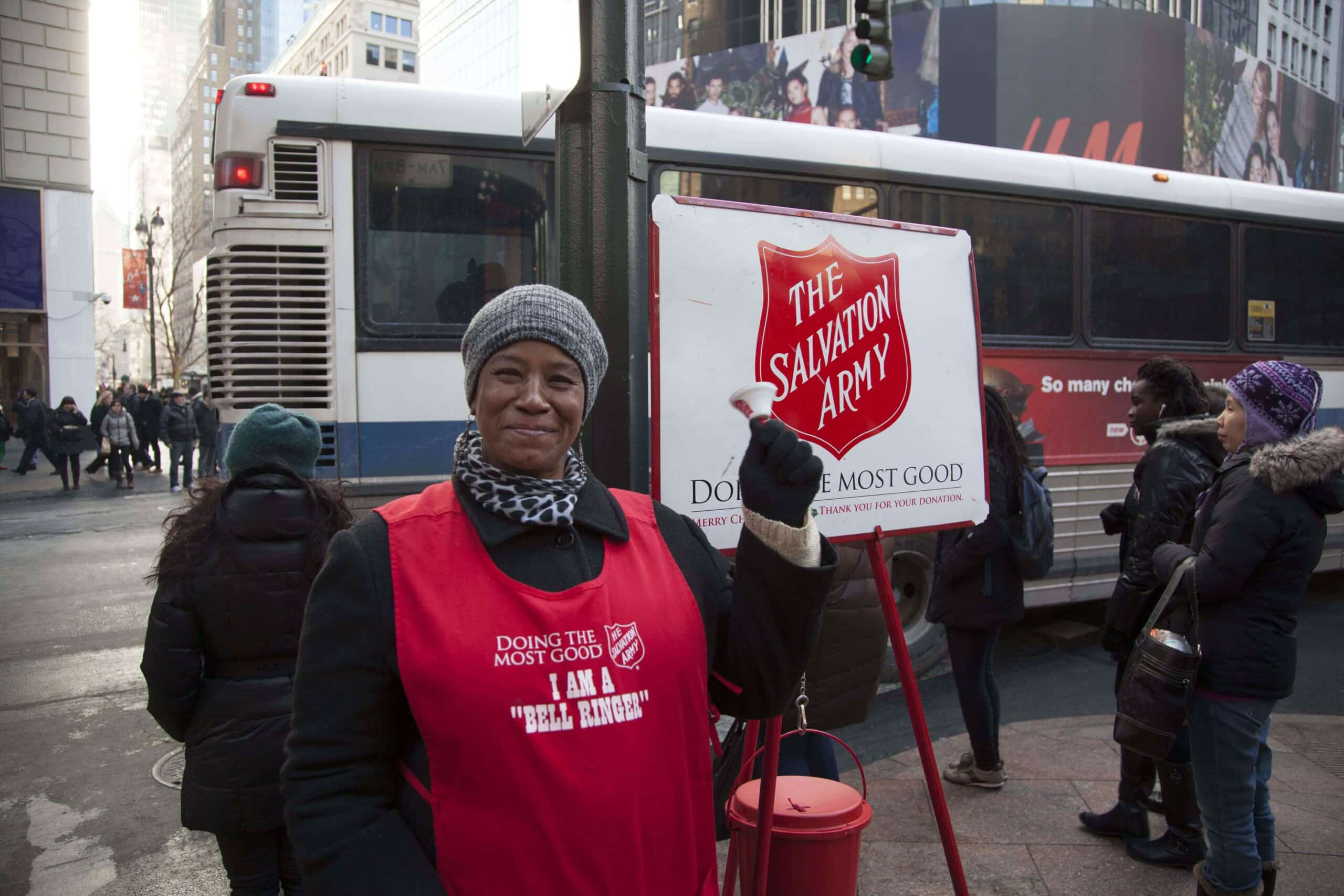
Kindness isn’t just a feeling; Kindness is an action. Whether it’s helping your neighbors or donating to a cause you care about, kindness often leaves a paper trail.
To figure out where kindness is most likely by the numbers, we pulled receipts. We looked at charitable giving, volunteering, neighborly help, trust, and violent crime. We combined those measures into a single “Kindness Score,” to find where kindness is most likely to show up in everyday life.
We can’t guarantee a stranger will hold the door or return your lost wallet in these places—but the odds are pretty good.
Key Findings
- Utah is the state with the highest odds of kindness at 64% implied probability.
- Why is Utah so kind? The state has the highest rate of volunteering, charitable giving, and trust in neighbors.
- The Upper Midwest and Mountain West dominate the leaderboard. States like Minnesota (61%), South Dakota (60%), Wisconsin (60%), Nebraska (59%), and Iowa (57%) consistently rank with high kindness odds, while many large, coastal states fall toward the bottom.
- Smaller, less urban states tend to score higher. States with tighter-knit communities and lower population density show stronger neighborly behaviour and trust than heavily urbanized states.
- Big-name states underperform. California, Texas, New York, and Florida all rank in the bottom tier, suggesting that scale, urbanization, and weaker social cohesion outweigh economic strength when it comes to everyday kindness.
- Odds of kindness range from 64%-38%. No location has 0 chance of kindness, meaning kindness is possible everywhere.
The States With The Highest Likelihood Of Kindness
| Rank | State | Philanthropy | Violent Crimes/ 100,000 | Frequent Favors % | Volunteer % | Trust In Neighbors % | Implied Probability | Kindness Score |
|---|---|---|---|---|---|---|---|---|
| 1 | Utah | 64.1 | 215.6 | 61.2 | 46.6 | 76.8 | 64% | 98.0 |
| 2 | Minnesota | 63 | 229.1 | 43.9 | 40.3 | 72.5 | 61% | 77.6 |
| 3 | South Dakota | 56.9 | 326.5 | 51.2 | 37.8 | 73.1 | 60% | 74.8 |
| 4 | Wisconsin | 62.7 | 290.3 | 50.2 | 31.1 | 72.3 | 60% | 74.2 |
| 5 | Maine | 53.2 | 127.8 | 52.3 | 34.9 | 72.7 | 60% | 73.9 |
| 6 | Nebraska | 56.3 | 280.4 | 49.3 | 40.3 | 68.2 | 59% | 72.8 |
| 7 | Vermont | 46.7 | 99.3 | 48.8 | 40.5 | 70.1 | 58% | 69.2 |
| 8 | Montana | 57.4 | 323.7 | 45.7 | 37.2 | 68.1 | 58% | 68.1 |
| 9 | Colorado | 59.7 | 309.1 | 44.7 | 34.7 | 68.2 | 58% | 67.8 |
| 10 | Iowa | 55 | 273.5 | 46.3 | 35.5 | 68.2 | 57% | 66.4 |
These odds are for entertainment purposes only. You can see actual betting odds on these NHL betting sites.
1. Utah
Implied Probability of Kindness: 64%
Kindness Score: 98
If you’re going to get a flat tire or need a helping hand, Utah is a pretty good place to do it. Utah has the highest chance of kindness in the country at 64%. The Beehive state leads the nation in charitable giving and neighborly favors, with more than six in ten residents helping neighbors monthly. Utah also has the highest level of trust in neighbors in the country, creating an environment where generosity, safety, and social cohesion all support one another.
2. Minnesota
Implied Probability of Kindness: 61%
Kindness Score: 78
The saying Minnesota nice exists for a reason. Minnesota doesn’t dominate one category the way Utah does—but it doesn’t have weak spots either. High volunteering rates, strong trust in neighbors, and relatively low violent crime combine to create a consistently kind environment, rather than one driven by a single factor.
3. South Dakota
Implied Probability of Kindness: 60%
Kindness Score: 75
South Dakota come in 3rd at 60% probability of kindness, a ranking powered by strong community trust and frequent neighborly help. More than half of residents regularly do favors for neighbors, and trust levels are among the highest nationwide. While crime is higher than in some top states, the depth of local social ties keeps South Dakota near the top.
4. Wisconsin
Implied Probability of Kindness: 60%
Kindness Score: 74
Wisconsin’s kindness score reflects a blend of generosity and everyday support. Philanthropic participation is high, and half of residents report helping neighbors monthly. Though violent crime is somewhat elevated, strong trust and community involvement help offset that risk.
5. Maine
Implied Probability of Kindness: 60%
Kindness Score: 74
Maine stands out for its exceptional safety, with one of the lowest violent crime rates in the U.S. That safety, paired with strong trust and frequent neighborly favors, creates an environment where kindness can flourish—even without standout levels of charitable giving.
6. Nebraska
Implied Probability of Kindness: 59%
Kindness Score: 73
Nebraska ranks highly thanks to strong volunteering and steady neighbor support. While it doesn’t top the charts in trust or philanthropy, it performs well across all categories, resulting in a reliable, well-rounded kindness profile.
7. Vermont
Implied Probability of Kindness: 58%
Kindness Score: 69
Vermont’s kindness is rooted in safety and civic participation. With extremely low violent crime and high volunteering, residents are more likely to engage positively with their communities. Trust levels are solid, even if informal neighborly help is slightly lower than in Midwest states.
8. Montana
Implied Probability of Kindness: 58%
Kindness Score: 68
Montana benefits from high philanthropic health and volunteering, along with strong trust in neighbors. Higher violent crime prevents it from ranking even higher, but robust community engagement keeps Montana firmly in the top 10.
9. Colorado
Implied Probability of Kindness: 58%
Kindness Score: 68
Colorado’s position reflects strong generosity and civic involvement, especially charitable giving. Crime rates are higher than in many top-ranked states, but solid volunteering and trust help balance out those challenges.
10. Iowa
Implied Probability of Kindness: 57%
Kindness Score: 66
Iowa makes the top 10 through consistency rather than extremes. Residents frequently help neighbors, volunteer at respectable rates, and live in relatively safe communities. Iowa’s strength lies in doing everything reasonably well.
Chance Of Kindness In Canada
How does Canada compare to the states when it comes to kindness?
According to Statistics Canada’s 2023 Survey on Giving, Volunteering and Participating, the overall volunteer rate (including helping through organizations and directly in the community) dropped to about 73% in 2023 from 79% in 2018. While that shows a decline, it does indicate a volunteering rate about Utah (the top state for volunteering in the US.)
In terms of charitable giving, the proportion of Canadians was 54% in 2023. Once again these rates are similar to the US. From Alberta to British Columbia, odds of kindness in Canada seem on par with the kinder US states.
Kindness Is All Around
Whether measured at the state level in the U.S. or across provinces in Canada, kindness shows up most consistently where communities are connected, trusted, and engaged. While the ways people give and volunteer may be changing, the data suggest that everyday acts—helping neighbors, pitching in locally, and feeling safe doing so—remain central to how kindness is expressed. While some locations have higher odds of kindness, no place has zero odds of kindness. To put it plainly, kindness can and does happen all around.
Methodology
To measure kindness, we used five equally weighted indicators that reflect generosity, trust, and community engagement:
- Charitable giving (philanthropic health)
- Frequency of neighborly favors
- Volunteering participation
- Trust in neighbors
- Violent crime rate (lower is better)
Each metric was normalized to the same scale so no single factor dominated. Violent crime was inverted so safer states scored higher. The five metrics were then averaged to create a Kindness Index for each state.
To make results intuitive—and avoid unrealistic “locks”—we converted each state’s index into a bounded implied probability centered on the national average. This produces realistic odds similar to a betting market, where even the top states aren’t guaranteed outcomes.
These rankings are relative, not absolute. A lower rank doesn’t mean people aren’t kind—it means that, based on available data, kindness-related behaviors appear less common compared to other states.
You can see the full dataset here.
Sources
- Social Capital Project – Social Capital Index Data on philanthropic health, violent crime rates, neighborly favors, and trust in neighbors were sourced from the Social Capital Project’s Social Capital Index, which measures civic engagement and social cohesion across U.S. states.
- USAFacts State-level volunteering rates were sourced from USAFacts, which compiles and standardizes data from federal agencies and national surveys.
- U.S. Census Bureau (Referenced via Source Data)Population figures used for rate-based calculations are derived from U.S. Census Bureau estimates as referenced by the primary data sources.
- Statistics Canada’s 2023 Survey on Giving, Volunteering and Participating Rate of Canadian volunteership and charitable donations.